
Spring — April through May
Mild weather, blooming parks and fewer crowds than summer. The city's gardens and riverbanks are especially pleasant. Easter markets add seasonal atmosphere in April.
Explore Prague with information about Old Town, Charles Bridge, Prague Castle, local food, public transit and day trips into the Czech countryside.
Booking links will be added after approved travel partners are connected.
Last updated: July 2026
Prague is a historic Central European city known for its well-preserved Old Town, Gothic and Baroque architecture, the Vltava River and a lively café and beer culture. It is ideal for travelers who want a walkable city break with historic landmarks, affordable dining and easy rail access to other European destinations.
History lovers, first-time Europe visitors, solo travelers, couples and budget-conscious city travelers.
Walking days, historic sightseeing, tram rides, river walks and relaxed pub evenings.
Prague has a continental climate with warm summers and cold winters. Spring and autumn offer the most comfortable conditions for walking and sightseeing. Summer is busy with tourists, while winter has a quieter, more atmospheric feel.
Mild weather, blooming parks and fewer crowds than summer. The city's gardens and riverbanks are especially pleasant. Easter markets add seasonal atmosphere in April.
Comfortable temperatures and changing foliage make this an excellent period for sightseeing and day trips. September is still lively, while October is quieter with lower accommodation rates.
Warm weather and long daylight hours attract peak tourist crowds. Major sights like Charles Bridge and Prague Castle are very busy. The city has outdoor festivals and evening river activities.
Cold weather with shorter days and fewer tourists. Christmas markets in December are a highlight. Indoor attractions like museums and galleries are easier to visit without queues.
Best weather: April through May and September through October
Peak season: June through August
Christmas markets: Late November through December
Quietest months: January and February
The historic heart of Prague with the Astronomical Clock, Gothic churches, outdoor cafés and a lively pedestrian atmosphere.
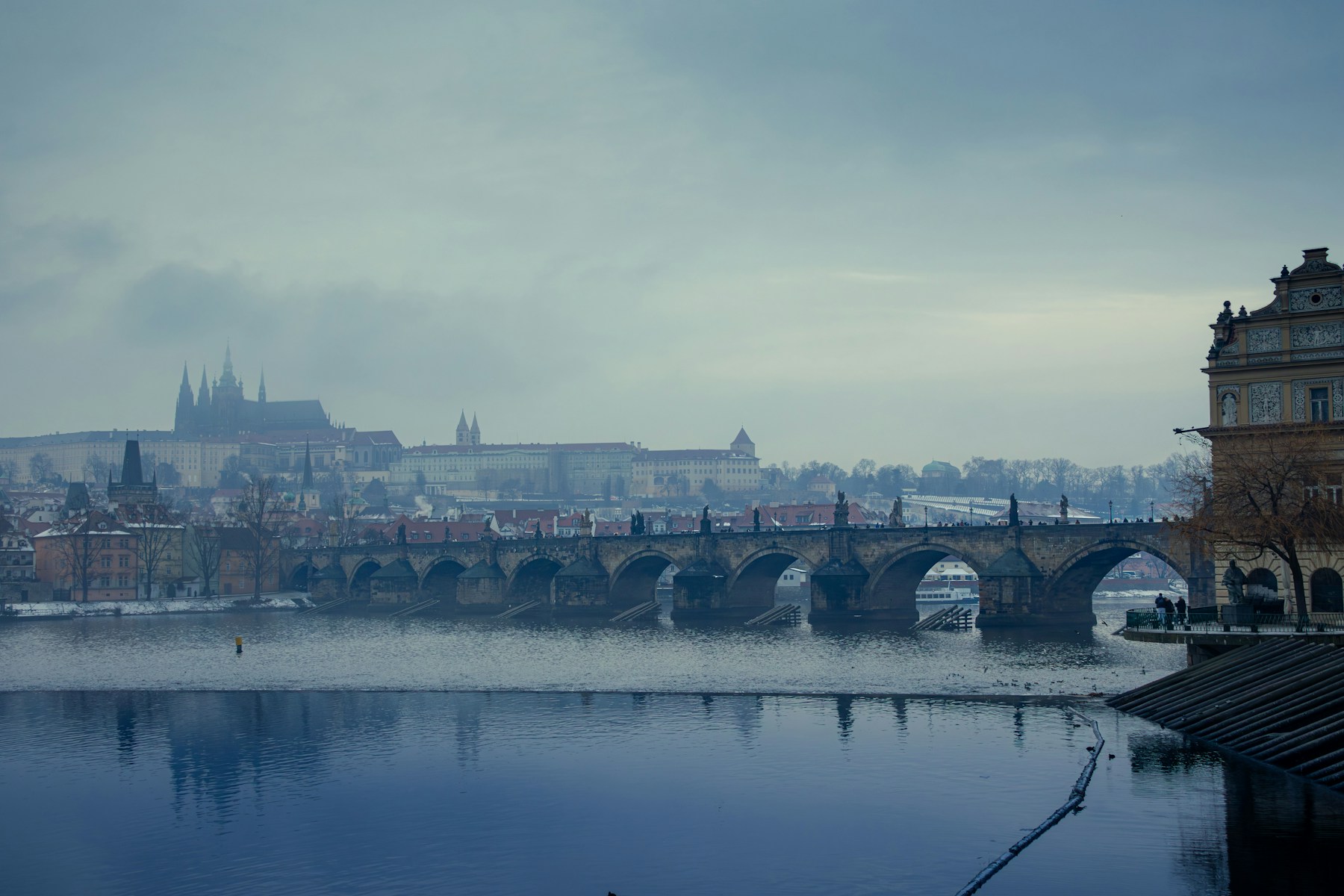
A historic stone bridge crossing the Vltava River, lined with statues and offering views of Prague Castle and the Old Town.
A sprawling castle complex on a hill above the city, containing St. Vitus Cathedral, the Old Royal Palace and Golden Lane.
The most important church in Czechia, located within Prague Castle, with Gothic architecture and stained glass windows.
The Lesser Town below Prague Castle, with Baroque architecture, embassies, gardens and quiet cobblestone streets.
A well-preserved Jewish quarter with synagogues, a historic cemetery and the Jewish Museum.
A large green hill with walking paths, a lookout tower resembling a small Eiffel Tower, rose gardens and city views.
The river running through the city center, with boat cruises, riverside restaurants and pedestrian promenades.
Explore Old Town Square, watch the Astronomical Clock strike the hour, walk across Charles Bridge and explore the streets of Malá Strana.
Spend the morning at Prague Castle and St. Vitus Cathedral. Afternoon in the Jewish Quarter or Petřín Hill. Evening river walk.
Take a half-day trip to Kutná Hora or explore the Vyšehrad fortress area and local neighborhoods before departure.
Best for first-time visitors who want to walk to the main sights. Can be busy and more expensive.
Quieter and more atmospheric, close to the castle and with excellent views. Good for couples.
A residential area with good restaurants and bars, popular with locals and offering lower accommodation rates.
Wider streets, shopping areas and easy access to the main train station. Practical for day-trippers.
A UNESCO-listed town about one hour east of Prague, known for the Sedlec Ossuary and St. Barbara's Church.
A picturesque medieval town about two hours south, with a castle, winding river and well-preserved old town.
A Gothic castle about 40 minutes southwest of Prague, set in wooded hills and easily reached by train.
TravelHolics Worldwide may earn a commission from qualifying bookings or purchases made through approved partner links, at no additional cost to you.
Plan ahead with skip-the-line tickets, guided walking tours and day-trip bookings for Prague's most popular sights.
Explore tour optionsRenting a car makes it easier to visit smaller towns, castles and national parks around the city.
Compare rental carsTour details, schedules, meeting points, inclusions and availability can change. Review the current product information on the partner website before reserving.
Czechia uses the Czech koruna (CZK / Kč). While some tourist-oriented businesses may accept euros, the official currency is the koruna. Cards are widely accepted in hotels, restaurants and shops in central Prague, but carrying cash is advisable for smaller establishments, markets and transit ticket purchases. Check foreign-transaction and ATM fees with your financial provider before traveling, and verify current payment practices for the places you plan to visit.
Three days covers the main sights comfortably. A fourth day allows for a day trip to Kutná Hora or Karlštejn.
Prague is moderate compared to other European capitals. Dining and public transit are affordable, while accommodation in the Old Town can be pricier.
Yes, the main tourist areas are very walkable. The metro and trams are useful for reaching the castle, Vyšehrad and residential neighborhoods.
English is widely spoken in tourist areas, hotels and restaurants. Learning a few Czech phrases is appreciated.
Pair Prague with Paris for a classic European city combination spanning Central and Western Europe.
Open the Paris guideCompare Prague's Old Town with Rome's ancient history for two very different European experiences.
Open the Rome guideMadrid offers a sunny, late-night contrast to Prague's historic and beer-oriented culture.
Open the Madrid guide