
Late spring — May through June
Pleasant temperatures, blooming countryside and fewer crowds than summer. Beaches and coastal roads are enjoyable without peak-season traffic. Accommodation rates are moderate.
Explore Sardinia with information about beaches, coastal towns, island road trips, Mediterranean cuisine and practical travel planning.
Booking links will be added after approved travel partners are connected.
Last updated: July 2026
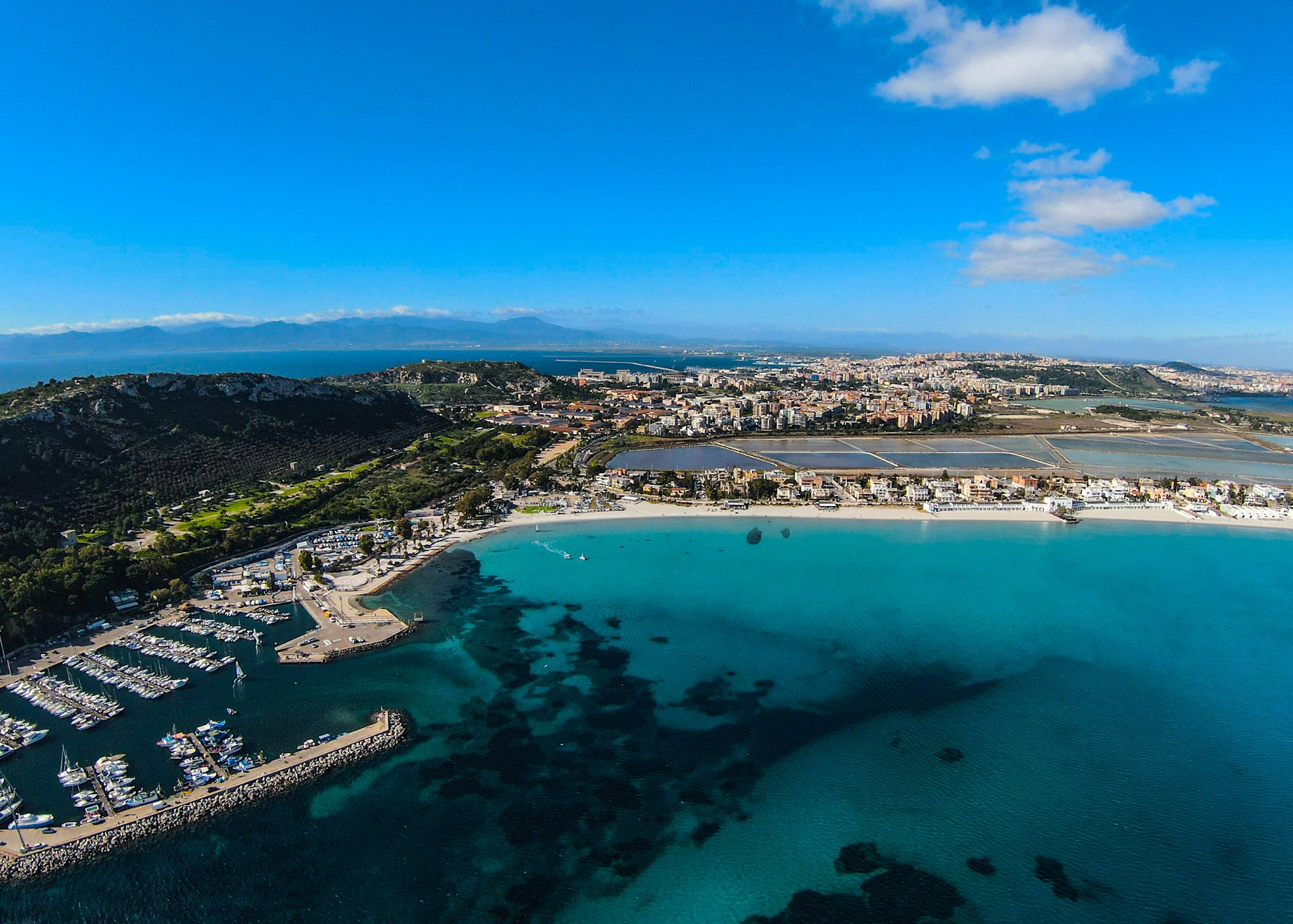
Sardinia offers Mediterranean beaches, historic coastal towns, mountain scenery and an island food culture that feels distinct from mainland Italy. It works well for travelers who want a road-trip island holiday with both coastal resort areas and historic inland villages. The island combines Italian and Sardinian cultural traditions, with archaeological sites, regional cuisine and a slower pace of life.
Beach travelers, road-trippers, food lovers and families looking for Mediterranean island experiences.
Coastal drives, beach days, village wandering and seafood-centered dining.
Sardinia has a Mediterranean climate with warm, dry summers and mild, wetter winters. The best overall times are late spring and early autumn, when temperatures are comfortable for both beach time and inland exploration. Summer is peak tourist season with crowded beaches and higher prices.
Pleasant temperatures, blooming countryside and fewer crowds than summer. Beaches and coastal roads are enjoyable without peak-season traffic. Accommodation rates are moderate.
Warm sea temperatures, quieter beaches and comfortable conditions for hiking and sightseeing. Many coastal restaurants remain open through September. October is cooler but still pleasant for exploring towns and archaeological sites.
Peak tourist season with hot weather, crowded beaches and higher prices. Ferry services and coastal roads are busy. The island has a lively festival and evening atmosphere during this period.
Cooler temperatures, shorter days and reduced ferry and accommodation options. Some coastal businesses close for winter. This period suits travelers focused on archaeology, food and inland villages at lower rates.
Best weather: May through June and September through October
Peak season: July and August
Quieter period: November through April
Road-trip season: April through October
Famous coastline with white sand beaches, clear water and upscale resorts in northeastern Sardinia.
Southern capital with a historic hilltop quarter, Roman ruins, sandy beaches and a busy marina area.
Historic Catalan-influenced town on the northwest coast, known for its old town, sea views and nearby beaches.
A protected national park of small islands northeast of Sardinia, reachable by ferry, with beaches and clear coves.
One of Sardinia's most photographed pebble beaches, set below limestone cliffs on the eastern coast.
A white beach cove near Cala Goloritzé, accessible by foot or boat, with crystal-clear swimming water.
A UNESCO World Heritage site and the most famous Nuragic complex, offering insight into Sardinia's ancient civilizations.
Colorful hillside town on the western coast with a riverside setting, castle and traditional artisan shops.
Explore the historic Castello district, visit the Roman amphitheater and enjoy seafood along the Poetto beach area.
Drive the southwestern coast with stops at Chia beach, Nora archaeological site and the cliffs of Masua.
Travel up the western coast to Alghero. Explore the Catalan old town and visit nearby Neptune's Grotto.
Drive to northeastern Sardinia, explore the Costa Smeralda area and take a ferry to the La Maddalena islands.
Visit Cala Goloritzé or Cala Luna on the eastern coast before departing from Olbia airport.
The best base for southern Sardinia with airport access, beaches and dining options.
A atmospheric town base with good flight connections, historic character and nearby beaches.
Upscale area with resort hotels, high-end dining and access to northern beaches and islands.
Quieter option with a charming setting, good for travelers focused on the western coast.
A day trip from northern Sardinia to explore the archipelago's beaches, coves and small towns.
A cultural excursion into Sardinia's Nuragic history, located in the island's interior.
One of Europe's deepest canyons, accessible via guided hiking from the eastern interior.
TravelHolics Worldwide may earn a commission from qualifying bookings or purchases made through approved partner links, at no additional cost to you.
Plan ahead with skip-the-line tickets, guided walking tours and day-trip bookings for Sardinia's most popular sights.
Explore tour optionsRenting a car makes it easier to visit smaller towns, castles and national parks around the city.
Compare rental carsTour details, schedules, meeting points, inclusions and availability can change. Review the current product information on the partner website before reserving.
Sardinia uses the euro (EUR / €). Cards are widely accepted in larger towns, hotels and tourist areas, but carrying cash is advisable for smaller coastal villages, market purchases and rural dining. Check foreign-transaction and ATM fees with your financial provider before traveling, and verify current payment practices for the places you plan to visit.
Five to seven days allows you to visit two or three regions comfortably. A week covers a good range of coastal and cultural experiences.
The southern Cagliari area has good infrastructure, beaches and historic sites. The northeast Costa Smeralda area is better known for resort-style stays.
Yes, a car gives you the most flexibility for exploring beaches, inland towns and scenic drives. Public transport connects larger towns but is limited in rural areas.
Costs vary by season and area. The Costa Smeralda is expensive in summer, while southern Sardinia and off-peak shoulder-season travel can be more moderate.
Combine Sardinia with a stay in Rome for a mix of ancient city sights and island relaxation.
Open the Rome guideBarcelona offers a strong Mediterranean contrast with cosmopolitan energy and Gaudí landmarks.
Open the Barcelona guideLisbon pairs well with Sardinia if you want a second coastal European stop on the same trip.
Open the Lisbon guide